No Off-Season? No Problem: How Elite Athletes Stay at the Top of Their Game All Year Long
There used to be a time when athletes could disappear for a few months, recharge at a lake house, and show up to training camp looking a little soft around the edges. Those days are long gone. In 2024, the sports calendar never really stops — and neither do the athletes who compete on it.
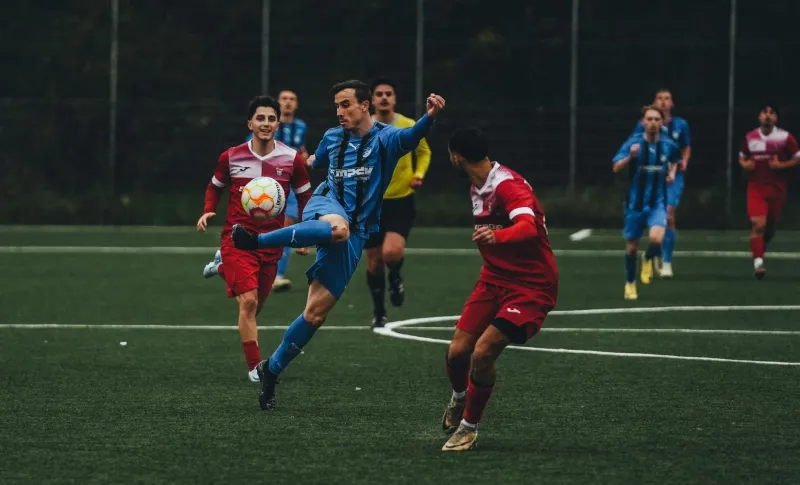
Whether it's a wide receiver running routes in May or a soccer midfielder logging miles on a stationary bike during what's technically their 'vacation,' modern elite athletes treat every day of the year as an opportunity to get better. But how exactly do they do it without breaking down?
The Science of Periodization: Working Smarter, Not Just Harder
The backbone of any serious athlete's year-round program is something called periodization — a structured approach to training that cycles through different phases to maximize performance while minimizing injury risk. Think of it like financial planning, but for your body.
A typical periodization model breaks the year into three broad phases: the off-season (focused on building base strength and correcting weaknesses), the pre-season (ramping up sport-specific intensity), and the in-season (maintaining gains while managing fatigue). The tricky part? When your sport runs 10 months out of the year, those lines get seriously blurry.
Strength and conditioning coaches — the unsung heroes behind a lot of athletic longevity — have had to get creative. Rather than traditional linear periodization, many pros now follow what's called an undulating model, where intensity and volume shift week to week, or even day to day. It's more responsive, more individualized, and frankly, it mirrors the chaotic nature of modern sports schedules.
"You can't just follow a textbook program when your athlete plays Tuesday, travels Wednesday, practices Thursday, and competes again Saturday," said one NFL strength coach who works with multiple Pro Bowl players. "Everything has to be reactive. Recovery isn't a luxury anymore — it's part of the training."
Cross-Training: The Secret Weapon Nobody's Hiding Anymore
One of the biggest shifts in athletic preparation over the last decade is the mainstream acceptance of cross-training. NBA players doing Pilates. MLB pitchers taking up swimming. NFL linemen in yoga studios. What once might have raised eyebrows in a traditional locker room is now practically standard protocol.
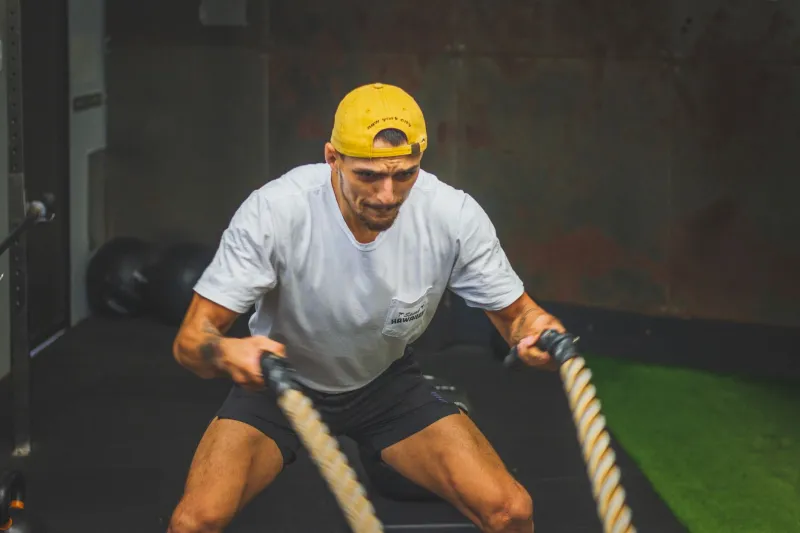
The reasoning is straightforward: doing the same sport-specific movements year-round creates repetitive stress patterns that lead to overuse injuries. Cross-training introduces new movement patterns, activates underused muscle groups, and keeps the nervous system engaged without piling more stress onto the joints that take the most punishment during competition.
Tennis is a great example of a sport where cross-training has become almost mandatory. The ATP and WTA tours run essentially 11 months a year, with players bouncing between hard courts, clay, and grass across multiple continents. To survive that grind, elite players like those competing at the US Open or Wimbledon lean heavily on swimming, cycling, and functional strength work to stay fresh between tournaments.
Managing Burnout: The Mental Side of Year-Round Competition
Physical fatigue is something coaches can measure — through heart rate variability monitors, GPS tracking, blood biomarkers. Mental burnout is trickier. And in an era where athletes are also content creators, brand ambassadors, and social media personalities on top of being competitors, the psychological load is heavier than ever.
Sports psychologists working with elite performers talk a lot about intentional rest — the idea that downtime needs to be planned and protected, not just whatever's left over after everything else. For athletes whose sports are now content engines (think the way the NFL, NBA, and even the UFC produce behind-the-scenes content year-round), there's constant pressure to stay visible even when the competitive calendar technically allows for a break.
The athletes who navigate this best tend to have one thing in common: clear boundaries between work and recovery. Some build media-free weeks into their training blocks. Others work with agents to cap the number of promotional commitments during key preparation periods. The goal isn't to disappear from the spotlight — it's to show up fully when it counts.
How the Entertainment Demand Is Reshaping Athletic Schedules
Here's something worth sitting with: the growth of streaming platforms and 24/7 sports coverage has created a genuine market pressure on athletes to compete more often. More games, more events, more content. The leagues know it, the networks know it, and so do the athletes.
The NBA's In-Season Tournament, expanded playoff formats in college football, the addition of international series games — all of these are responses to fan demand for more live content. But they also mean athletes are being asked to perform at a high level across a longer calendar window than previous generations ever were.
The smart organizations are investing heavily in recovery infrastructure to match that expanded demand. Cryotherapy chambers, altitude tents, nutritionists, sleep coaches — what used to be the domain of the ultra-elite is now becoming table stakes for any serious franchise or individual athlete program.
The 365 Mindset: What Everyday Fans Can Learn From It
There's something kind of inspiring about watching elite athletes treat every day as a building block. Not every day is a max effort — that's actually the point. Some days are about moving, some are about resting, some are about film study or skill refinement. The cumulative effect of all those intentional days is what shows up when the lights are brightest.
For fans watching on STV365, there's a deeper appreciation that comes with understanding what goes into those peak moments. The buzzer-beater, the walk-off home run, the knockout punch — none of that happens by accident. It's the product of 365 days of deliberate, structured, sometimes grueling preparation.
And honestly? That makes the watching even better.