Spoiled Before the First Whistle: How the Always-On News Cycle Is Stealing Sports' Greatest Thrill
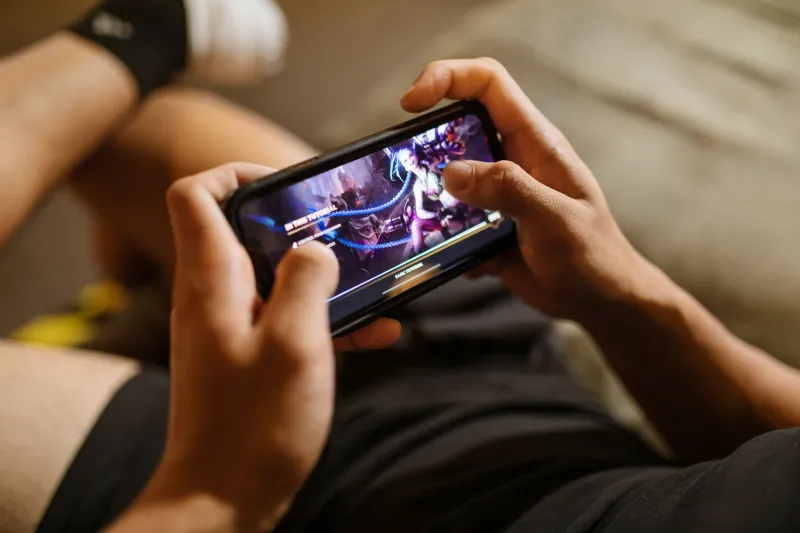
There's a specific kind of dread that every modern sports fan knows. You recorded the game. You've been dodging your phone all day. You're twenty minutes from finally sitting down and watching — and then your buddy texts, "Crazy ending, right?" Game over. Not the actual game. The experience of the game.
This is life in the age of 24/7 sports coverage, and it's quietly doing more damage to the fan experience than any bad season or losing streak ever could.
The Score Is Already Out There
Here's the uncomfortable truth: sports spoilers aren't accidents anymore. They're structural. The entire sports media ecosystem — from push notifications to social media algorithms to live score widgets baked into your phone's lock screen — is optimized to deliver results instantly, to everyone, whether they asked for it or not.
Platforms like Twitter/X, ESPN's app, and even Google's search suggestions will surface a final score before you've had a chance to opt out. Apple Watch users have had game results buzz onto their wrists mid-commute. Fantasy sports apps send goal-by-goal updates in real time. The infrastructure of modern sports fandom is essentially a spoiler machine with a sports highlights reel attached.
For fans who stream games on delay — whether because of time zones, work schedules, or the simple economics of not being able to afford every live package on every platform — this creates a genuinely frustrating paradox. You're paying for the experience of watching sports. But the outcome, the thing that makes sports worth watching in the first place, is already public knowledge before you press play.
What Knowing Does to Your Brain
Sports psychologists have been studying this for a while, and the findings are pretty striking. The emotional arc of watching a game — the anxiety, the hope, the release — is almost entirely dependent on uncertainty. When you already know your team won, you don't watch the same way. The tension is manufactured rather than real. You're essentially watching a highlight reel with commercials.
Some fans argue the opposite: that knowing the outcome lets you appreciate the how instead of obsessing over the what. And fair enough — there's a whole culture of people who rewatch classic games precisely because they already know the ending. But those are nostalgia watches. They serve a completely different emotional purpose than tuning into a live season.
When you know tonight's result before tonight's watch, you're not getting either experience cleanly. You're getting something muddier — a kind of half-engaged viewing where your brain keeps cross-referencing what it already knows against what it's seeing. The suspense is replaced by a weird form of dramatic irony. You're watching the characters in a story who don't yet know what you already do.
The Lengths People Go To
Talk to fans who care deeply about this, and you'll hear some genuinely impressive workarounds. One basketball fan in Chicago described a full "media blackout protocol" he runs on game days he can't watch live: airplane mode from tip-off to the moment he presses play, a separate browser profile with all sports sites blocked, and a standing agreement with his friend group that game results are a no-text zone until he gives the all-clear.
A soccer fan in Atlanta who follows the Premier League — with its brutal 7:30 AM Eastern kickoffs — described essentially treating Saturday mornings like a social media detox. "I don't open Instagram, I don't check Reddit, I don't even look at my texts until after I've watched," she said. "And I still get spoiled about half the time because someone in my family just... forgets."
The effort required to protect a spoiler-free viewing experience has become its own kind of hobby. There are browser extensions specifically designed to block sports scores. There are subreddits dedicated to spoiler-safe discussion. Some streaming platforms have even experimented with "score-hidden" modes for delayed viewers. The demand is clearly there.
The Platform Problem
Here's where it gets complicated for services like STV365 and the broader streaming sports landscape. The entire value proposition of a 24/7 sports platform is access — more content, more coverage, more angles, more analysis. But that same relentless coverage is precisely what makes the spoiler problem worse.
The business model of sports media rewards speed and volume. Breaking a final score first drives clicks. Posting a reaction clip within minutes drives engagement. Sending a push notification drives app opens. Every incentive in the system points toward faster, louder, more immediate information delivery.
And yet the actual product — the thing fans are supposedly paying for — is the experience of not knowing. The tension. The drama. The possibility that anything could happen.
There's a real argument that the sports media industry has been quietly eating its own product for years. The more efficiently it distributes information, the more it degrades the core emotional experience that makes that information worth caring about in the first place.
Can Delayed Gratification Still Exist?
The honest answer is: barely, and only if you work for it.
The fans who manage to protect their viewing experience tend to share a few traits. They're deliberate about their media consumption in a way most people aren't. They've made peace with the inconvenience of temporary disconnection. And they've usually had one too many games ruined to keep being casual about it.
For everyone else, the spoiler is increasingly just part of the deal. A tax on not being able to watch live. A side effect of being plugged into a world that moves faster than your schedule allows.
What's worth holding onto, though, is the awareness that the magic of sports — real, genuine, edge-of-your-seat sports drama — is a finite resource. Every spoiler is a small withdrawal from an account that doesn't automatically refill.
The game is still great. The athletes are still incredible. But the feeling of not knowing? That one's getting harder to protect by the day.
So yeah — maybe turn off those notifications. At least for tonight.