Your Couch, Their Community: How Fan-Built Watch Parties Are Rewriting the Rules of Live Sports
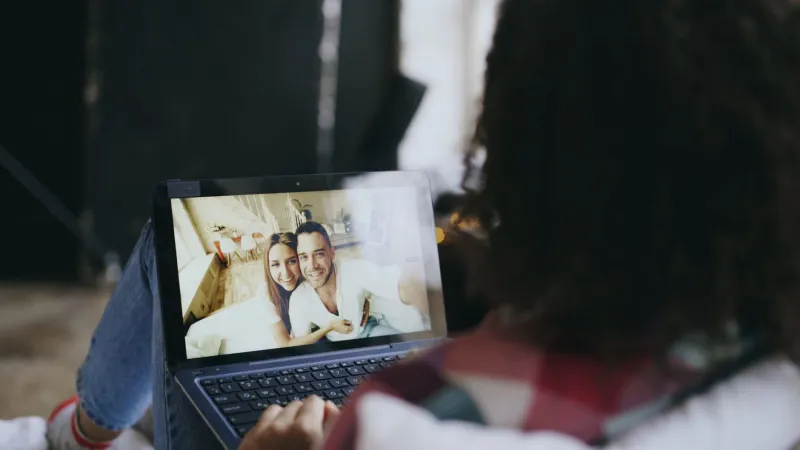
The game is on. But depending on who you ask, the real action isn't happening on the field — it's happening in a Discord server with 4,000 members who've been roasting each other's takes since warmups. It's in a Reddit thread that's updating faster than the official broadcast can keep up with. It's in a TikTok Live room where a fan with a ring light and strong opinions is calling plays in real time while her chat goes absolutely feral in the comments.
Fan-organized watch parties have existed in some form as long as there have been fans. But what's happening now is different in scale, sophistication, and cultural weight. These aren't just people watching together — they're building parallel experiences that, for a growing slice of the American sports audience, are becoming more compelling than the broadcast itself.
What a Modern Watch Party Actually Looks Like
Let's paint the picture. It's a Saturday afternoon. A major college football game kicks off at 3:30 Eastern. Somewhere, a Discord server for a fan community — maybe 2,000 to 10,000 members strong — goes live. There's a voice channel where a rotating cast of regulars provides running commentary. There's a text channel where memes, stats, and hot takes are flowing at a pace that would make a professional social media team sweat. There's a bot tracking live stats. There might even be a pinned thread of pre-game research someone put together the night before.
Meanwhile, on Reddit, the game thread for the same matchup is already thousands of comments deep, with users linking clips, debating officiating calls, and building the kind of real-time collective memory that makes a game feel like a shared cultural moment rather than a passive viewing experience.
On TikTok, two or three fan creators have gone live. They're watching the same game, reacting in real time, pulling in their audiences for the ride. The comment sections are chaotic and funny and occasionally brilliant. The creators themselves aren't analysts — they're fans, which is precisely why people are watching them instead of the polished professionals on the official broadcast.
Why the Official Broadcast Can't Compete With This
This is the part that should make network executives genuinely uncomfortable. The traditional sports broadcast is an extraordinarily expensive, technically complex production that delivers a fundamentally passive experience. You watch. The broadcaster talks at you. There are commercials. Someone with very nice hair tells you what to think about the game.
Fan-built watch parties offer something structurally different: participation. You're not consuming the experience — you're contributing to it. Your take goes in the chat. Your meme gets upvoted. Your voice is in the Discord channel, and when you make a good call, people react in real time. The dopamine hit from that kind of engagement is completely different from watching a broadcast alone on your couch.
And the content itself is often genuinely better — or at least more entertaining. The fans running these spaces know their teams deeply, often better than generalist broadcast commentators. They have inside jokes, historical context, and a shared emotional investment that creates a sense of intimacy no official production can manufacture. When something goes wrong in the game, the communal grief in a Discord server hits differently than a measured on-air reaction from someone contractually obligated to stay neutral.
The Platforms Making It Possible
Discord has become the infrastructure backbone for a lot of the most organized fan communities. Its combination of voice channels, text channels, and robust moderation tools makes it genuinely well-suited for running a live watch party at scale. Major fan communities for NFL teams, college basketball programs, and international soccer clubs have built Discord servers that function like small media operations — with dedicated channels for different games, different topics, and different levels of conversation.
Reddit's game threads have been a fixture for over a decade, but they've evolved. The best ones now feel less like comment sections and more like collaborative live blogs, with pinned summaries, stat drops, and community-sourced highlights that give you a richer picture of what's happening than any single broadcaster can provide.
TikTok Live has introduced something newer and more chaotic. Fan creators who go live during games have discovered that their audiences want to watch sports with them — not just see highlights after the fact. The interactivity of TikTok Live, where viewers can send comments, gifts, and reactions in real time, creates an energy that's genuinely different from anything traditional broadcasting offers. Some of these creators are pulling thousands of concurrent viewers for regular-season games that might not even be nationally televised.
The Generational Shift Underneath All of This
It would be easy to frame this as a Gen Z thing — younger fans gravitating toward participatory, social media-native experiences because that's just how they consume everything. And there's truth in that. Younger American sports fans are significantly more likely to engage with games through social platforms than through traditional broadcasts, and that gap is widening.
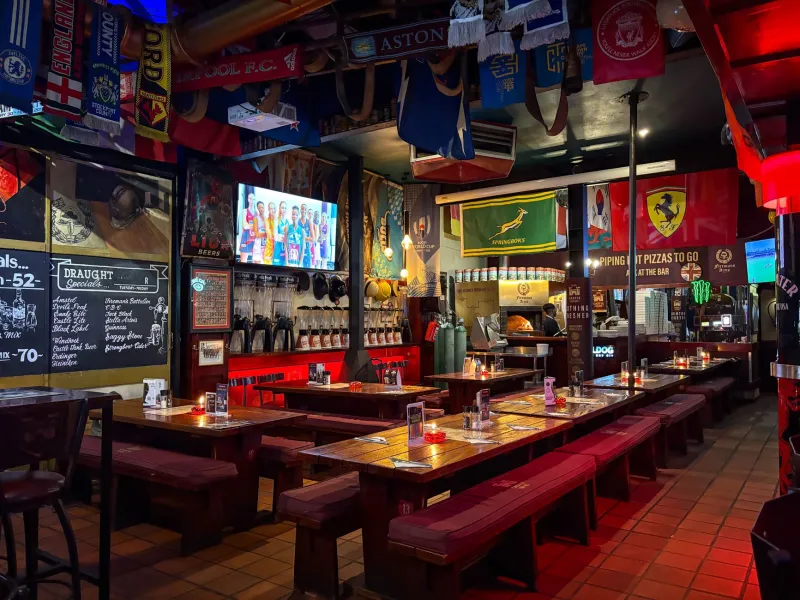
But the watch party phenomenon cuts across age groups in ways that might surprise you. Plenty of older fans have discovered that watching a game with a Discord community scratches an itch that watching alone never quite did. The sports bar — that great American institution of communal viewing — has always been popular because sports are more fun with other people. Online watch parties are, in a very real sense, a digital evolution of the sports bar. You get the crowd energy without the overpriced wings and the parking situation.
What's genuinely generational is the expectation that the experience should be interactive. Fans who grew up online don't want to just watch — they want to participate, react, and be part of a community that's processing the game in real time. Traditional broadcasts were not built for that expectation, and retrofitting them is harder than it looks.
What This Means for the Next Decade of Sports Viewing
Leagues and broadcasters are paying attention, even if they're not always sure what to do about it. Some have experimented with official second-screen experiences and social media integrations designed to capture some of the energy that fan communities are generating organically. The results have been mixed — largely because official versions of these experiences tend to feel curated in a way that strips out the chaos that makes the fan-built versions so good.
The more interesting question is whether fan communities will start to develop formal relationships with leagues and platforms, or whether they'll remain proudly independent. Right now, the best watch party communities are powered by genuine passion and zero budget. The moment they become official, something might get lost.
For now, though, the revolution is happening in your phone, your laptop, and your Discord notifications. The stadium experience is great. The broadcast has its place. But if you want to feel like you're actually in the game — connected to thousands of people who care just as much as you do, reacting in real time, building something together — your best bet might be a fan server that some obsessive started three years ago and never stopped improving.
At STV365, we believe sports are always better when they're shared. Turns out, fans figured that out long before the networks did.