Where Did Everybody Go? The Slow Vanishing of the Casual Sports Fan
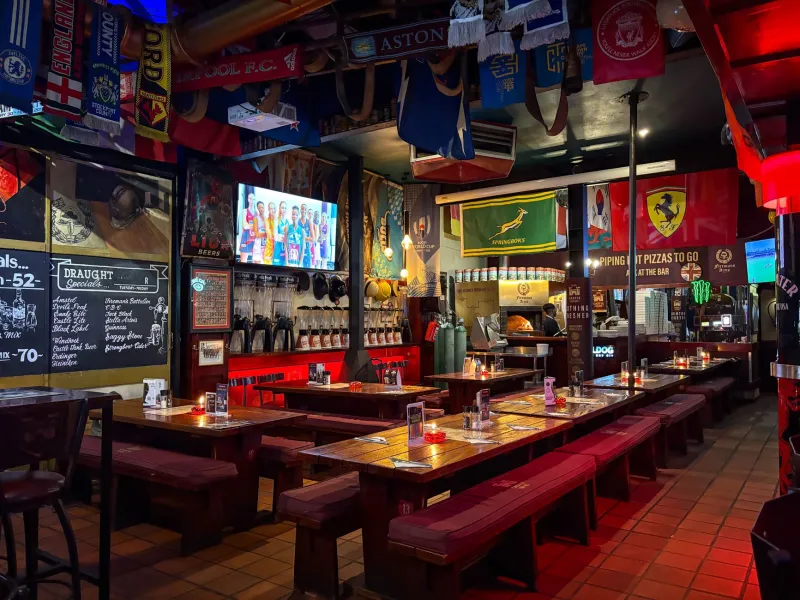
There used to be a version of American sports fandom that didn't require a subscription, a loyalty oath, or a three-hour pre-game ritual. You'd flip to a game because it was there. You'd wander into a bar, catch the fourth quarter, get hooked, and maybe — just maybe — become a fan for life. That version of fandom isn't completely gone, but it's getting harder to find. And the people who should be most worried about that aren't the fans. It's the leagues.
The Velvet Rope Around the Game
Let's be honest about what's happened over the last decade. Watching live sports in America has quietly transformed from a passive, low-barrier activity into something that requires real commitment — financial, logistical, and emotional. A full NFL Sunday package can run you well over $400 a year. NBA League Pass, MLB.TV, NHL Center Ice — each one adds another monthly charge to a stack that already includes Netflix, Hulu, and whatever else your household has quietly accumulated.
For die-hard fans, that math makes sense. You're paying for access to your team, your players, your investment. But for the casual viewer? The person who might have watched a random Thursday night game in 2010 just because it was on ESPN and they were bored? That person is now being asked to pull out a credit card before they can even figure out if they care.
The barrier to entry has never been higher, and leagues have largely designed it that way — because the revenue model works better when you're extracting maximum value from committed fans than when you're casting a wide net for curious ones.
Premium Pricing Is Pricing People Out
Ticket prices tell a similar story. The average NFL ticket price has more than doubled since 2006, and that's before you factor in parking, concessions, or the increasingly common "dynamic pricing" model that spikes costs the moment a game gets interesting. Going to a live sporting event used to be a working-class ritual. Friday night games. Weekend doubleheaders. Cheap bleacher seats where you could bring your kid and not have to take out a small loan.
That culture hasn't vanished entirely, but it's been pushed to the margins. The people filling premium seats at most major venues today are not the people who stumbled into fandom by accident. They're season ticket holders, corporate clients, and dedicated supporters who budgeted for this months in advance. That's great for short-term revenue. It's terrible for building the next generation of fans.
Because here's the thing about casual fans: they become die-hards. The person who wanders into a playoff bar in April because their friends dragged them along might be a lifelong baseball fan by September. But you can't convert someone who never shows up in the first place.
Niche Streaming and the Fragmentation Problem
The streaming landscape hasn't helped. Sports rights are now scattered across so many platforms that keeping track of where to watch a given game has become a part-time job. Amazon has Thursday Night Football. Apple TV+ has exclusive MLB games. Peacock grabbed some NFL playoff action. ESPN+ sits behind its own paywall, separate from the ESPN that cable subscribers already pay for.
For a dedicated fan, this is annoying but manageable. For a casual viewer? It's a dealbreaker. If someone has to spend 15 minutes figuring out which app carries tonight's game before they've even decided if they want to watch it, they're probably just going to put on something else. The friction is the enemy of casual engagement, and right now, sports has more friction than it's had in decades.
Are Leagues Optimizing Themselves Into a Corner?
The counterargument from the leagues is straightforward: ratings are holding, revenue is up, and the die-hard fanbase is more engaged than ever. And in the short term, that's true. But there's a generational math problem lurking underneath those numbers.
Younger Americans are showing up to live sports at lower rates than previous generations. Some of that is cultural — Gen Z spends its attention differently. But a lot of it is structural. If the first experience a 22-year-old has with professional sports involves navigating a paywall, sitting in an expensive seat surrounded by corporate sponsors, and watching a broadcast that assumes they already know everything about the team's history, they're not going to feel welcomed. They're going to feel like they walked into someone else's party.
Fandom has always been self-replicating. Parents take kids to games. Friends drag each other to sports bars. Coworkers argue about last night's match during their lunch break. That ecosystem depends on a constant influx of new, casual participants. When you price them out or lock them behind paywalls, the ecosystem starts to shrink — slowly at first, then all at once.
What a Healthier Model Might Look Like
Some leagues are starting to notice the problem, even if they haven't fully committed to solving it. The NBA has experimented with in-season tournament formats designed to make mid-season games feel more meaningful and accessible. MLB has been aggressive about rule changes aimed at speeding up the pace of play to attract viewers with shorter attention spans. The NFL's deal to stream some games free on platforms like YouTube signals at least some awareness that not everyone is willing to pay.
But these are incremental moves in the face of a structural challenge. If leagues genuinely want to reverse the casual fan exodus, they need to think seriously about what the on-ramp to fandom actually looks like in 2025. That might mean more free-to-watch content. It might mean keeping ticket prices accessible at lower tiers. It might mean creating more communal viewing experiences — the kind that don't require a credit card, just a couch and a couple of friends.
At STV365, we talk a lot about the joy of discovering sports you didn't know you loved. That discovery only happens when the door is actually open. Right now, a lot of doors have bouncers in front of them. And the people walking away aren't just missing a game — they're missing a fandom they never got the chance to build.