Never Off the Clock: How Pro Sports Teams Turned the Off-Season Into a Myth
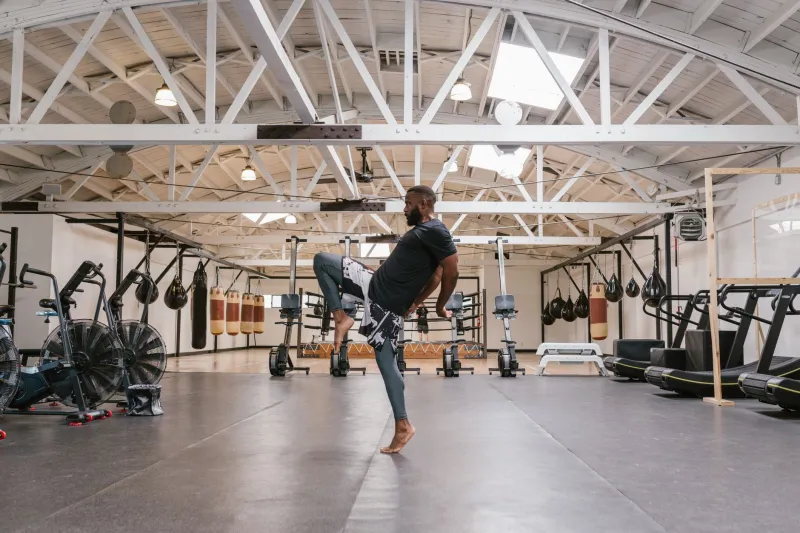
Remember when summer used to mean football players were out fishing, NBA stars were doing charity events, and the sports calendar basically went quiet? Those days feel like ancient history now. Walk into any major professional sports facility in 2024 and you'll find something closer to a full-time research lab than a locker room — one that never really shuts down.
The off-season, as most fans grew up understanding it, is becoming less of a reset and more of a rebrand. Teams aren't powering down anymore. They're shifting gears.
The Machine That Never Stops
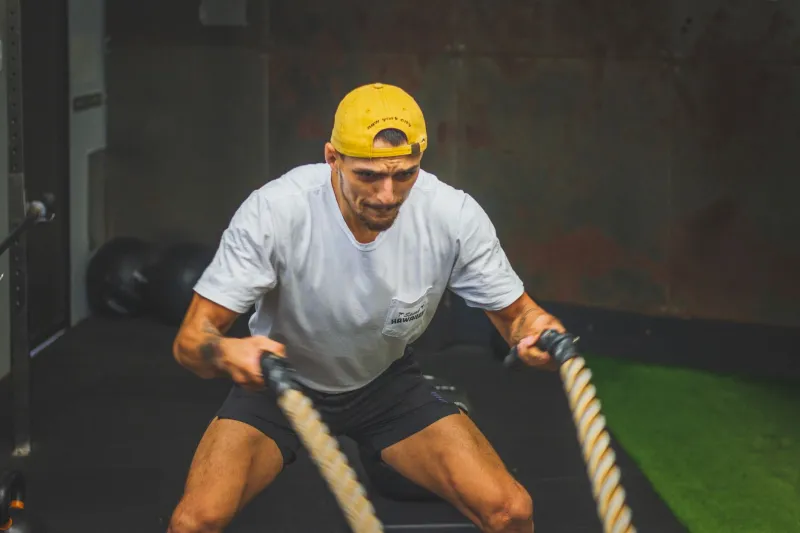
Modern training operations at the NFL and NBA level have evolved into year-round ecosystems. We're not just talking about a few guys lifting weights in July. Think full-time strength and conditioning staffs, sports scientists, nutritionists, sleep specialists, and mental performance coaches — all working through what used to be the quiet months.
The Dallas Cowboys, for example, operate out of a $1.5 billion facility in Frisco, Texas that functions as a sports campus rather than a simple practice complex. Similar stories play out across the league. The Golden State Warriors' Chase Center practice facility in San Francisco is built to accommodate year-round athlete development at a level that would've seemed excessive even a decade ago.
The investment isn't accidental. Teams have done the math. Keeping players engaged, monitored, and progressively trained through the full calendar year pays off in performance gains and, critically, injury reduction.
The Science of Never Stopping
Here's where it gets genuinely fascinating. Sports medicine research over the past fifteen years has fundamentally shifted how organizations think about rest versus recovery. These are not the same thing, and that distinction is driving a lot of the calendar changes we're seeing.
Rest — the complete absence of structured activity — used to be the default prescription after a long season. Now, sports scientists largely agree that active recovery, mobility work, and low-intensity training maintain the physiological adaptations athletes spent months building. Stop everything cold and you spend the first six weeks of the next training camp basically rebuilding what you lost.
The NBA, which runs one of the most physically demanding schedules in American sports (82 regular season games, often on back-to-back nights), has been particularly aggressive about reimagining the summer window. Load management conversations that started as controversy have evolved into sophisticated periodization models — basically, treating the full twelve-month calendar as one continuous training cycle rather than a series of disconnected chunks.
For fans watching on a platform like STV365, this has a very real downstream effect: the players you're watching in October are, increasingly, the product of work done in July.
Mini-Seasons and Competitive Year-Round Structures
Beyond individual training, some sports organizations have started engineering actual competitive activity into what used to be dead months. The NFL's offseason program, OTAs (Organized Team Activities), and minicamps have always existed — but their intensity and strategic importance have grown considerably. Coaches now treat them as genuine evaluation periods, not just casual tune-ups.
College football's transfer portal essentially created a second recruiting season that runs through the winter and spring. That's changed how fans follow rosters, how programs build depth, and how networks cover the sport. There's meaningful content and competitive drama playing out in months that used to be pure dead air.
Baseball has leaned into this too. The international signing periods, the Arizona Fall League, winter leagues in the Dominican Republic and Puerto Rico — MLB's ecosystem now gives hardcore fans something substantive to follow in virtually every month of the year. If you know where to look, there's always a game on or a roster move that matters.
What It Means for Player Longevity
This is the part of the conversation that doesn't get enough attention. Year-round training isn't just about being ready for the next season — it's about extending careers in a meaningful way.
Look at what's happening with quarterbacks in the NFL. Patrick Mahomes, Lamar Jackson, Josh Allen — these guys are playing at elite levels with a physical durability that previous generations of QBs rarely maintained. Part of that is positional evolution, sure. But a significant part is the infrastructure around them: the year-round monitoring, the customized recovery protocols, the nutrition science that keeps their bodies functioning at a higher baseline.
LeBron James famously spends over a million dollars a year on his body. That's an extreme example, but it illustrates where the sport is heading. The players who treat their careers as a continuous investment rather than a seasonal job are the ones lasting into their mid-to-late thirties.
For fans, that translates to more sustained excellence from the athletes they love watching. It's a genuinely good development for the viewing experience.
The Flip Side: Burnout and Mental Load
It's worth being honest about the tension here. Not every athlete thrives in a never-off-the-clock environment. Mental fatigue is real, and the pressure to remain constantly visible, constantly engaged, and constantly improving can take a toll that doesn't always show up in injury reports.
Several high-profile athletes — Simone Biles and Naomi Osaka among them — have been candid about needing genuine psychological distance from their sports, not just lighter training loads. The sports world has started listening, slowly. Mental performance coaches have become standard staff members at major organizations precisely because the psychological dimension of year-round competition is now taken seriously.
The ideal isn't a machine that runs at 100% every day. It's a smarter calendar — one that builds in genuine recovery windows while maintaining continuity of development. The teams getting this balance right are the ones consistently showing up in playoff conversations.
What This Means for How You Watch
From a fan perspective, the collapse of the traditional off-season is mostly a win. There's more content, more access, more meaningful storylines playing out across the full year. A platform built around 365 days of sports entertainment isn't just a marketing concept anymore — it's a reflection of how the industry actually operates.
The athletes you're watching tonight didn't just show up in September. They've been grinding since May, working in facilities that look more like NASA testing centers than gyms, with support staffs tracking their sleep cycles and muscle recovery in real time.
The off-season isn't dead. But it's been completely reinvented — and honestly, the sport is better for it.