Numbers Don't Lie: Why the Stats Behind the Game Are Now Half the Show
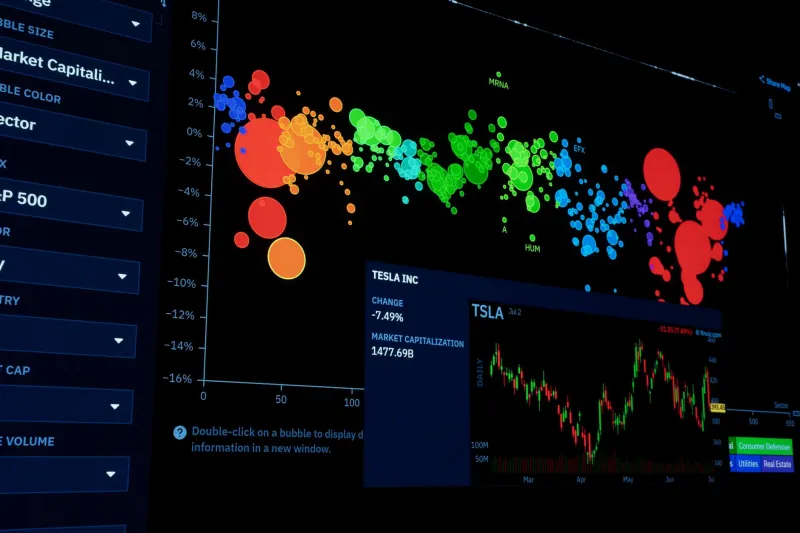
There's a moment in almost every baseball broadcast now where the camera cuts away from the action and drops a graphic on screen — launch angle, exit velocity, sprint speed. A few years ago, that stuff would've sent casual fans reaching for their phones out of boredom. Today? People are genuinely arguing about it at the bar.
Something shifted. The analytics revolution that started in front offices and coaching rooms has spilled all the way out into living rooms, sports bars, and streaming platforms. And if you haven't noticed yet, the numbers aren't just background noise anymore — they're the actual story.
From Front Office Secret to Fan Obsession
For a long time, advanced stats were a behind-the-scenes tool. Teams used them to evaluate players, set lineups, and build rosters. Fans weren't really part of that conversation. You watched the game, you cheered, you went home. Box scores told you who scored and who didn't.
But then platforms started opening up the data. MLB's Statcast launched in 2015 and basically cracked the vault. Suddenly, anyone with a browser could look up how hard a ball was hit, how fast an outfielder ran to make a catch, or what percentage of pitches in a certain zone ended up as strikeouts. The information that used to live exclusively in team analytics departments was now sitting on a free public website.
The NFL followed with Next Gen Stats, tracking player movement, speed, and positioning on every single play. The NBA has had SportVU camera systems logging every movement on the court for years. Even soccer — long resistant to the numbers game — has embraced expected goals (xG) as a mainstream talking point.
The result? A generation of fans who don't just watch sports. They analyze them in real time.
What Broadcasters Are Actually Covering Now
Here's where it gets interesting for anyone who cares about how sports media works. Traditional broadcasts used to follow a pretty simple formula: show the play, replay the highlight, interview the coach. The narrative was built around moments — the touchdown, the home run, the buzzer-beater.
That formula still exists, but it's been layered over with data storytelling. ESPN's broadcast team regularly pulls Statcast numbers mid-game to explain why something happened, not just that it happened. Amazon's Thursday Night Football coverage has leaned hard into Next Gen Stats overlays, showing route trees and separation metrics while the play is still developing.
Broadcasters have figured out that the numbers create new angles. A pitcher throwing a no-hitter is a great story. A pitcher who's inducing a 70% ground ball rate with a two-seamer that moves eight inches more than league average? That's a different story — one that explains the no-hitter before it's even finished.
This shift means that what gets covered on sports media has genuinely changed. Players who put up flashy traditional stats still get attention, but so do players who score well on advanced metrics even when the traditional numbers look modest. Think about how NFL coverage now treats a wide receiver's yards after contact, or how NBA analysts break down a player's defensive rating even when they're not a household name.
The New Storylines You're Probably Missing
If you're only watching the scoreboard, you're leaving a whole layer of the viewing experience on the table. Advanced stats create storylines that traditional coverage barely scratches.
Take baseball's pitch design era. Over the last few years, pitchers have been using Statcast data to literally rebuild their arsenals — changing grips, adjusting spin rates, adding sweeping breaking balls that simply didn't exist in their repertoire two seasons ago. The story of a pitcher's "new pitch" is now a legitimate news cycle. Fans track spin rates the way they used to track ERA.
In basketball, the conversation around shot quality has completely changed how people evaluate teams. A team shooting 38% from three might look mediocre until you see that they're consistently generating wide-open looks from the corners — the highest-value spot on the floor. The underlying process looks great even when the results are temporarily ugly. That's a storyline.
Football analytics have introduced concepts like EPA (expected points added) per play, which reframes entire performances. A running back with 60 yards rushing might have actually hurt his team's scoring chances based on down-and-distance context. That's uncomfortable for old-school fans but genuinely illuminating for anyone trying to understand why a team won or lost.
Why It Matters for How You Watch
Here's the honest pitch for embracing the analytics side of sports fandom: it makes the games more interesting, not less.
There's a common complaint that stats kill the magic of sports — that reducing an athlete to a cluster of numbers strips away the human drama. That's a fair concern, but it kind of misses what's actually happening. The data doesn't replace the drama. It adds context that makes the drama richer.
Watching Shohei Ohtani hit a 113 mph line drive is exciting on its own. Knowing that only a handful of hitters in the entire league can generate that kind of contact consistently? That reframes what you just saw. It turns a cool moment into evidence of something genuinely rare.
For fans who stream games across multiple platforms — and at STV365, we know you're juggling a lot of content on any given weekend — analytics give you a way to stay connected to a game even when you're only half-watching. You can check a player's real-time metrics during a commercial break and come back to the broadcast with actual context.
Where This Is All Heading
Sports media platforms are betting big on this trend continuing. Real-time data overlays, second-screen apps, and AI-generated stat summaries are all being developed or already rolling out. The goal is a viewing experience where the numbers are woven into the broadcast seamlessly, not bolted on as an afterthought.
Fan communities on Reddit, X, and Discord are already way ahead of mainstream broadcasts in this regard. Subreddits dedicated to baseball analytics or NBA shot tracking have hundreds of thousands of members who treat data like sports fans used to treat highlight reels — obsessively, joyfully, and with strong opinions.
The analytics revolution isn't coming for sports fandom. It's already here. And the fans who've leaned into it aren't watching less sports — they're watching more, with sharper eyes and better questions.
That's kind of the whole point.