Reps, Reels, and Revenue: When Off-Season Training Becomes a Brand Strategy
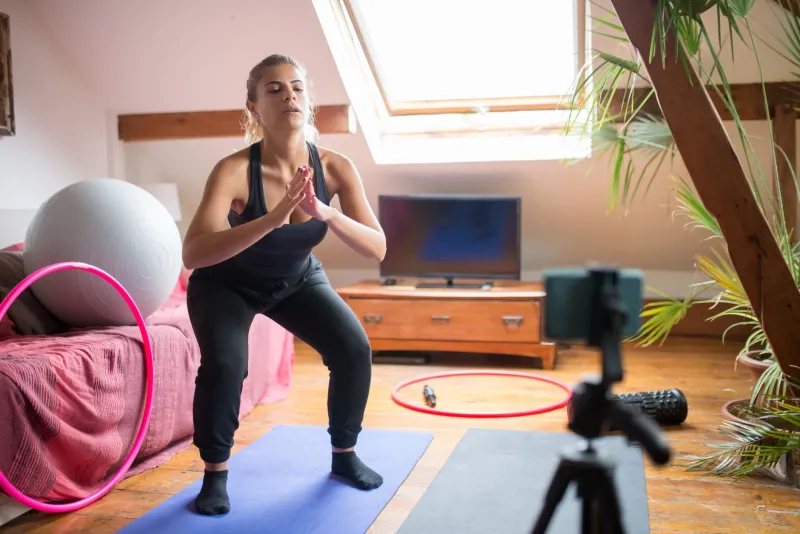
Somewhere between the ice bath and the protein shake, an athlete is filming themselves. Maybe it's a quick Instagram Story — just a casual behind-the-scenes look at the morning workout. Maybe it's a full YouTube vlog, complete with a B-roll of the gym, a motivational voiceover, and a sponsor mention dropped naturally around the three-minute mark. Either way, the camera is rolling. And increasingly, it never really stops.
This is the reality of the modern off-season: a stretch of time that used to belong entirely to the athlete — for rest, for healing, for growth — has quietly been colonized by content creation. And the line between genuine preparation and personal brand building has never been blurrier.
The Off-Season Rebrand
For most of professional sports history, what athletes did between seasons was largely invisible. You'd see them at media day, maybe catch a grainy photo of someone lifting weights in a local gym, and then they'd reappear in camp looking bigger, faster, or more focused than before. The mystery was part of the appeal. The transformation happened offscreen.
That model is essentially extinct. Today's elite athletes maintain social media presences that don't go quiet when the season ends — they often get louder. The off-season is prime content real estate. There's no game to compete with, no press conference to overshadow the post. Just the athlete, the camera, and an audience that's hungry for access during the months when there's nothing else to watch.
For platforms like the ones we cover here at STV365, that's genuinely exciting. Year-round athlete content is a big part of what keeps fans engaged between live events. A well-produced training vlog from a quarterback in June can pull serious numbers. A fitness app launched by a basketball player in the off-season can generate headlines that rival game-day coverage. The appetite is real.
But the business logic driving this content explosion deserves a harder look.
When the Camera Follows You Into the Weight Room
There's a version of this that's completely benign — even positive. Athletes who document their training can build deeper connections with fans, attract sponsorship deals that extend their earning power beyond their playing years, and create a level of transparency that humanizes them in ways a postgame press conference never could.
Kobe Bryant's obsessive early-morning workout sessions became the stuff of legend partly because enough people witnessed them — directly or through secondhand accounts — to understand that his success wasn't accidental. Seeing that kind of dedication, even filtered through a social media lens, can be inspiring in a way that box scores aren't.
But there's also a version of this that's quietly corrosive. When a training session is designed to be filmed, it's no longer purely a training session. The movements get more photogenic. The effort gets calibrated for the camera. The rest periods — the ones that actually matter for recovery — get cut short or skipped entirely because lying on a mat and staring at the ceiling doesn't perform well on TikTok.
Sports scientists and performance coaches have been quietly raising this concern for a few years now. Recovery is boring. It doesn't generate content. And in an environment where an athlete's social media engagement is directly tied to their sponsorship value, boring has a real financial cost.
The Sponsorship Math
Here's where the incentive structure gets complicated. A top-tier athlete in a major American sport can earn more from off-season brand partnerships, fitness app deals, and social content than many professional athletes earn from their playing contracts. The financial gravity pulling them toward content creation is enormous.
A fitness app partnership might require weekly content drops showing the athlete using the product. A supplement brand might want monthly recipe videos. An apparel sponsor might need seasonal campaign shoots that eat up days that could otherwise be spent, you know, actually training. Each of these deals makes perfect business sense in isolation. Together, they can turn an off-season into something closer to a media production schedule than a recovery period.
And unlike the playing season — where coaches, trainers, and team staff have some oversight of an athlete's schedule and workload — the off-season is largely self-directed. There's no one pulling the camera away and saying, "You need to sleep." The athlete's agent wants the deal signed. The brand wants the content delivered. The audience wants to watch. The only person who might pump the brakes is the athlete themselves, and they're often the last one to notice when they're running on empty.
The Performance Question Nobody's Asking Loudly Enough
So does all of this content creation actually hurt performance? The honest answer is: we don't know yet, not systematically. But the anecdotal evidence is worth taking seriously.
Sports medicine researchers have increasingly pointed to sleep deprivation, chronic low-grade stress, and insufficient mental recovery as underrated factors in athletic decline and injury risk. None of those things are improved by maintaining a content calendar. And while plenty of athletes manage the balance well — using their platform smartly without letting it consume their preparation — the pressure to do more, post more, and stay relevant 365 days a year is only intensifying.
There's also the psychological dimension. The off-season used to offer athletes something genuinely rare: a chance to be a private person. To process a difficult season, reconnect with their family, and approach the next year with genuine mental freshness. When your downtime is also your content opportunity, that psychological reset becomes a lot harder to achieve.
A New Kind of Athlete for a New Kind of Year
None of this is going away. The 365-day athlete — always visible, always building, always on — is the dominant model now, and the financial rewards for playing it well are too significant for most athletes to ignore. The question isn't whether athletes will keep creating off-season content. They absolutely will.
The more interesting question is whether anyone in the sports ecosystem — agents, teams, leagues, or the athletes themselves — will start drawing clearer lines between the content that serves the brand and the work that serves the body. Because the greatest highlight reel in the world doesn't matter much if the athlete posting it shows up to training camp with a nagging injury they never quite recovered from.
The camera can follow you everywhere. That doesn't mean it always should.