Small Markets, Big Noise: Why Regional Sports Are the Entertainment Steal Nobody's Talking About
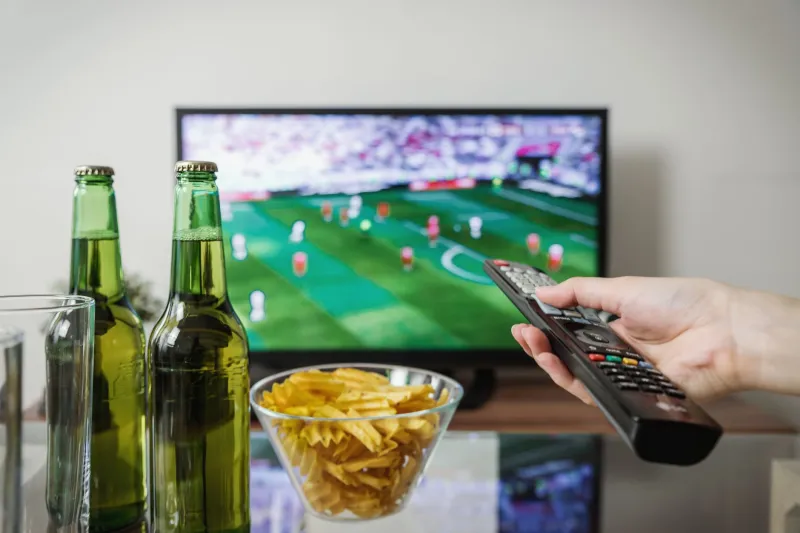
Let's be honest — following major professional sports in 2024 has started to feel like a second job. You need three streaming subscriptions, a cable package you swore you'd cancel, and a spreadsheet just to figure out where tonight's game is actually airing. And after all that effort, you're watching a product that sometimes feels more like a corporate broadcast event than a genuine sporting spectacle.
So maybe it's no surprise that a growing slice of American sports fans are quietly turning their attention elsewhere — toward the minor leagues, regional college programs, and niche professional circuits that have been grinding away in the background all along. What they're finding there isn't a consolation prize. It's something that feels more alive, more accessible, and frankly more fun than anything happening on the main stage right now.
The Price of Admission Is the First Thing That Hooks You
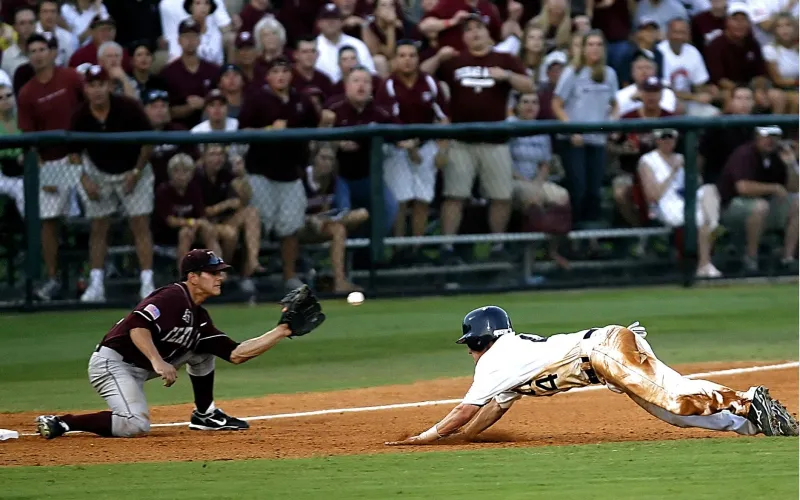
Walk into a Triple-A baseball game in Charlotte or a USL Championship soccer match in Phoenix and the first thing you notice is how easy it all feels. A family of four can get in the door, grab hot dogs and sodas, and sit in genuinely decent seats for what it would cost one person to attend a major league game in a comparable city. That gap in affordability isn't a small thing — it's a massive cultural shift in who gets to experience live sports at all.
For younger fans, in particular, the calculus has changed. Paying $180 for a nosebleed seat at a NFL game when you could spend $35 and be ten rows behind the dugout at a minor league park isn't just a budget decision. It's a lifestyle one. Regional sports offer proximity to the action — literal and emotional — that big-league venues stopped providing years ago when they started optimizing for premium seating revenue.
The Streaming Angle Nobody Expected
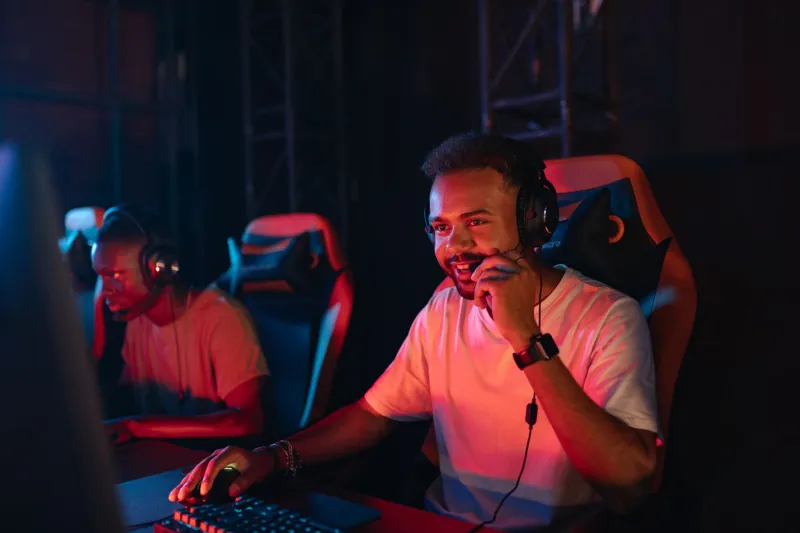
Here's where things get interesting for the cord-cutting generation. While the major sports rights wars have turned watching football or basketball into a confusing multi-platform obstacle course, smaller leagues have gotten surprisingly sharp about digital distribution.
The NWSL, for instance, has built genuine streaming momentum through partnerships that prioritize accessibility over exclusivity. Minor League Baseball's MiLB.TV has quietly become one of the more user-friendly sports streaming products in the country — and the price point makes it an easy impulse subscription. Indoor football leagues, regional hockey circuits, and even some college athletic programs are broadcasting games on YouTube, Peacock, and league-specific apps that cost next to nothing.
For a platform culture that increasingly runs on niche content and community-driven discovery, regional sports are practically built for the moment. You're not competing with a hundred other things for a viewer's attention in the same way a primetime NFL broadcast does. You're speaking directly to a local audience that already cares, and increasingly to a national audience of fans who are specifically seeking out something different.
Community Isn't a Marketing Word Here — It's the Product
One thing regional sports still do better than almost anything at the national level is make fans feel like they actually belong to something. When the El Paso Chihuahuas win a Pacific Coast League title, that means something specific and personal to the people of El Paso. When the Charleston Battery go on a run in the USL, it's a whole city's conversation. That kind of identity-level connection is something the NFL and NBA can try to manufacture, but it's hard to fake.
Minor league teams in particular have leaned hard into the community entertainment angle. Themed nights, local food vendor partnerships, post-game concerts, and fan-interactive promotions have turned regional ballparks and arenas into genuine social destinations rather than just sports venues. You're not just going to watch a game — you're going to an event that happens to have a game at the center of it.
College athletics, especially in non-Power Four conferences, operates on a similar emotional frequency. Fans at a mid-major college basketball game in Dayton or Spokane often bring an energy that embarrasses what you'd find at a half-empty NBA arena in a big market. The stakes feel personal in a way that professional sports, for all their spectacle, rarely achieve.
Where Tomorrow's Stars Are Playing Today
There's also a pure sports discovery angle that savvier fans have been exploiting for years. The minor leagues and developmental circuits are where you watch someone become great before everyone else knows it. Catching a future All-Star in their Double-A season, or watching a college basketball player who's clearly about to break out, carries a specific thrill that mainstream sports coverage can't offer retroactively.
Streaming has made this kind of prospecting dramatically easier. Fans who want to follow a top prospect through the minor league system, or track a highly-ranked college recruit before the draft hype machine arrives, have more tools than ever to do it. And the regional leagues themselves are increasingly smart about marketing that storyline — the next big thing is here, right now, playing in front of a few thousand people who will all later say they saw it coming.
The Savvy Fan's Case for Going Local
None of this means abandoning the major leagues. But treating regional and minor league sports as a secondary or lesser entertainment option is increasingly a mistake. The live experience is often more engaging. The streaming access is frequently easier and cheaper. The community connection is more authentic. And the scouting-level enjoyment of watching talent develop in real time is something you simply cannot get from a primetime broadcast.
If you've been frustrated by the fragmentation, the price hikes, and the corporate sterility of big-league sports entertainment lately, the answer might not be to find a better streaming bundle. It might be to look one level down and discover that the most engaging sports product in your city has been playing a 20-minute drive away the whole time.
Regional sports aren't a secret weapon anymore — they're becoming a legitimate entertainment category in their own right. And the fans who figured that out first are already having a better time than almost anyone watching the national feed.