From Twitch to the Press Box: Why Gaming Streamers Are Taking Over Sports Commentary
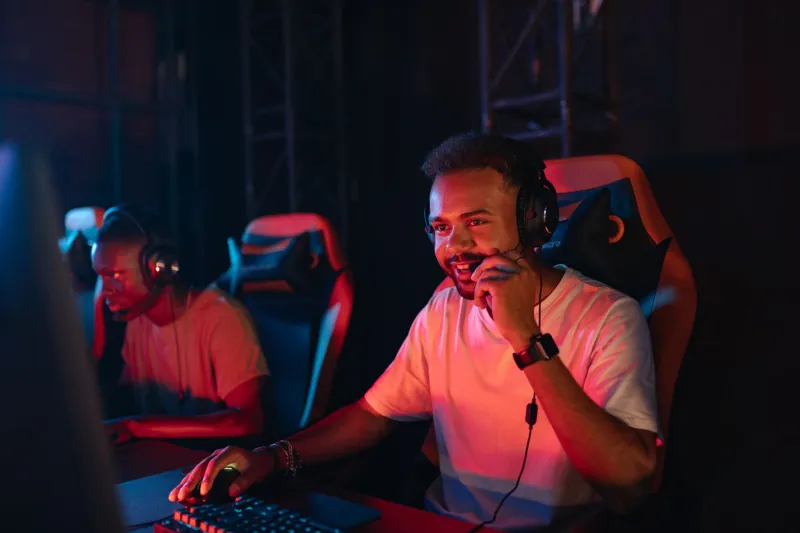
For decades, the voice in your ear during a big game belonged to a former athlete or a broadcasting school grad who'd been grinding through minor markets since their twenties. That formula worked. It built careers, it built legends, and it gave us some genuinely iconic calls. But something is shifting — and if you've been watching live sports through a streaming lens lately, you've probably already felt it.
Gaming streamers, the same people who built massive audiences by talking through Fortnite matches and NBA 2K tournaments at 2 a.m., are now showing up in actual sports commentary roles. And the audiences tuning in? They love it.
The Booth Gets a New Voice
It didn't happen overnight. The seeds were planted years ago when esports events started drawing stadium-sized crowds and Twitch viewership numbers that rivaled traditional cable. Networks and sports leagues started paying attention. If millions of people would willingly watch someone narrate a video game, maybe those same people could be pulled into live sports — if the presentation felt familiar.
That logic has now materialized into real broadcasting decisions. Streamers with follower counts in the millions have been tapped for commentary roles during everything from NFL streaming packages to international soccer matches broadcast specifically for digital-native audiences. The vibe is looser, the language is different, and the energy is way more conversational than your typical color commentary setup.
For platforms like the ones competing hard for Gen Z eyeballs right now, this isn't just a gimmick — it's a strategy.
Why Younger Fans Are Actually Tuning In
Here's the honest truth: a lot of younger sports fans find traditional broadcasting kind of stiff. That's not a knock on the veterans — those guys know the game inside and out. But there's a communication gap. The way a 55-year-old former quarterback describes a third-down conversion doesn't always land the same way it does for a 22-year-old who grew up watching reaction content and live commentary on YouTube.
Gaming streamers, by contrast, have spent years perfecting a style of real-time commentary that feels like your most enthusiastic friend narrating what they're watching. They're reactive. They're hyperbolic in the right moments. They'll make a meme reference mid-play and it won't feel forced because that's just how they talk.
There's also an authenticity factor that's hard to manufacture. Streamers built their audiences by being genuinely themselves on camera for hours at a time. Fans know when they're excited, when they're confused, when they think a call was trash. That transparency is something traditional sports broadcasting has historically avoided — and it turns out, a lot of fans actually want it.
The Brands Already Betting on This Shift
Where the audience goes, the money follows. Brands targeting younger demographics have been quick to recognize the opportunity here. Sponsorship deals that once went exclusively to traditional broadcast talent are now being structured around streamers who can pull double duty — commentating a live event while simultaneously engaging their own platform audience through side streams, social content, and real-time interaction.
Sports leagues themselves are getting creative too. The NFL's streaming experiments, the NBA's digital broadcast alternatives, and MLB's various platform partnerships have all flirted with non-traditional commentary formats. Some of these have leaned directly into the gaming-streamer pipeline, bringing in personalities who have zero traditional broadcasting background but massive credibility with the audiences these leagues desperately want to grow.
For a platform like STV365, this kind of content is the whole point — live sports and entertainment delivered in a way that actually fits how people watch today. Not everyone wants the polished, buttoned-up broadcast. Some fans want to feel like they're watching with someone who's just as hyped as they are.
Not Everyone Is Thrilled
Obviously, this isn't a universally celebrated development. Plenty of sports media veterans have raised legitimate questions about whether streamers have the depth of knowledge to add real analytical value during high-stakes moments. And that's a fair conversation to have.
There's a difference between keeping energy high during a blowout and actually breaking down a defensive scheme in the fourth quarter of a playoff game. Some streamers have leaned hard into the entertainment side without putting in the homework, and it shows. Fans who care deeply about the X's and O's can find that frustrating.
But the best crossover commentators are proving that these two things don't have to be mutually exclusive. Streamers who've grown up playing sports games obsessively often have a surprisingly strong grasp of strategy and player tendencies. When that knowledge gets packaged in the approachable, high-energy format they've already mastered, the result can actually be pretty compelling broadcasting.
What This Means for the Future of Sports Broadcasting
The old model — one play-by-play voice, one color analyst, maybe a sideline reporter — isn't going away. But it's no longer the only model, and that matters. Sports broadcasting is quietly splintering into multiple formats designed for different types of viewers, and gaming streamers represent one very real lane in that future.
Expect to see more dual-stream setups where a traditional broadcast runs alongside an alternate feed hosted by a streaming personality. Expect more leagues to experiment with commentary tracks that skew younger and louder. And expect the line between gaming content and sports content to keep blurring, especially as younger athletes who grew up streaming become the stars of the games themselves.
The press box isn't being replaced. It's just getting a few new seats — and some of those seats come with ring lights and donation alerts.
For fans who watch sports the way STV365 was built to deliver them — every day, every platform, every format — this evolution is honestly kind of exciting. The game is the same. The conversation around it is just finally catching up to how we actually talk.