Too Many Games, Too Little Soul: How Watching Everything Is Making You Care About Nothing

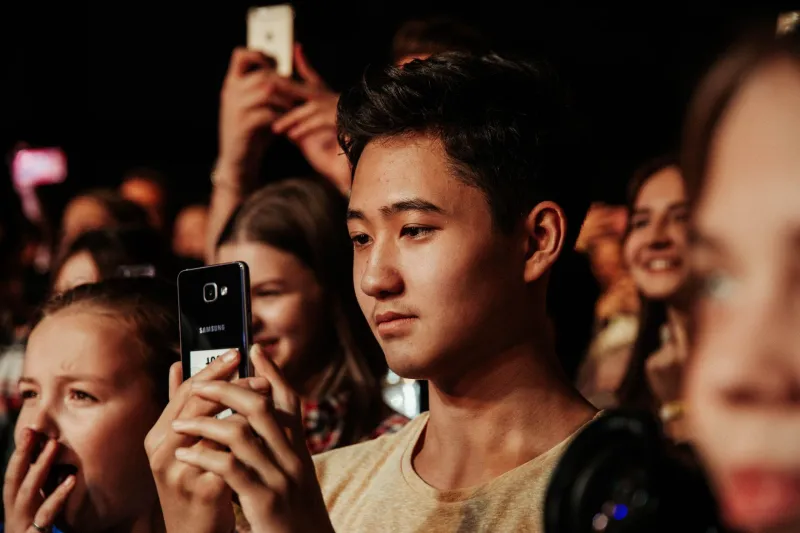
Picture a typical Sunday in late October. Your phone has four different sports apps open. The NFL RedZone is blaring on the main TV. A college football game is streaming on your laptop. Somewhere on a tablet propped against a couch cushion, an NBA season opener is tipping off. The NHL dropped its puck two nights ago and you still haven't finished watching the highlights.
This is the golden age of sports, right? More content, more access, more live action than any generation of fans before us has ever had. Platforms like STV365 exist precisely because demand for year-round, wall-to-wall sports coverage is real and it's enormous. But here's a question nobody seems to want to ask out loud: what if watching all of it is actually making the experience worse?
The Overlap Is Not a Coincidence
League calendars don't crash into each other by accident. The NFL regular season runs from September through January. The NBA tips off in October and runs through June. The NHL follows almost the same arc. College football and basketball layer on top of all of that. And that's before you get into soccer, MLS, international play, or the relentless churn of sports betting content that now colors every broadcast.
For roughly five months out of the year — October through February — American sports fans are essentially being asked to be in four places at once. And most of us are trying to do exactly that.
Sports media companies have understood for years that the hardest thing to do is keep fans engaged during the quiet months. The solution they landed on was to make sure the quiet months never come. The result is a calendar so packed that the concept of a "big game" has started to blur. When everything is urgent, nothing really is.
What the Science Actually Says About Divided Attention
Cognitive psychologists have a term for what happens when you try to track multiple complex, emotionally loaded events at the same time: attentional fragmentation. Your brain isn't actually multitasking — it's rapidly switching between focal points, and every switch carries a small cognitive cost.
In the context of sports fandom, that cost isn't measured in productivity. It's measured in emotional investment. The moments that make sports genuinely electric — the fourth-quarter comeback, the overtime goal, the buzzer-beater — land hardest when you've been locked in for the full arc of the game. Context is everything. When you've been half-watching while also monitoring a fantasy score and checking a RedZone update, the payoff just doesn't hit the same way.
Dr. Lisa Feldman Barrett's work on emotional granularity suggests that the richness of an emotional experience depends heavily on the attention and context you bring to it. Applied to sports: if you're not fully present, you're not fully feeling it. And if you're not fully feeling it, what exactly are you doing this for?
Fans Are Starting to Notice
Talk to enough diehard sports fans and a pattern emerges. The ones who've been watching the longest — the people who grew up with one team, one sport, one season — often describe a growing sense of exhaustion that has nothing to do with the hours they're putting in.
"I used to know every player on the roster, every stat, every trade rumor," says Marcus, a 38-year-old Bears fan from Chicago who also follows the Bulls, Blackhawks, and three different fantasy football leagues. "Now I feel like I know a little bit about a lot of teams and I don't actually know any of them. It's like being a casual fan of everything instead of a real fan of anything."
That sentiment is more common than the sports media ecosystem wants to admit. The push toward multi-sport, year-round consumption has created fans who are technically more informed but emotionally less connected. They have opinions on everything and genuine attachment to almost nothing.
The Social Splintering Nobody Talks About
Fandom has always been communal. Part of what makes sports meaningful is the shared experience — the bar that goes quiet before a field goal attempt, the group chat that explodes after a walk-off hit, the coworker who won't stop talking about last night's game because they were there for the whole thing.
But when everyone is watching something different — or watching five things at once — those shared moments get harder to manufacture. The conversation fractures. Your friend is deep in the NBA while you were locked into the NHL. By the time you both come up for air, the moment has passed and neither of you fully experienced it anyway.
Community platforms like Reddit and Discord have tried to fill that gap, and they do a remarkable job. But scrolling a thread about a game you only half-watched is a pale substitute for the genuine collective electricity of a room full of people who were all in on the same thing, start to finish.
The Case for Watching Less — And Caring More
This isn't an argument for tuning out. It's an argument for being intentional about what you tune into.
The 365-day sports calendar is a genuine gift. The access fans have now — across streaming platforms, mobile apps, and services built around live sports — is objectively better than anything previous generations had. But access without curation is just noise.
Some fans are already pushing back. There's a small but growing counter-movement of people who are deliberately narrowing their sports diet — picking one or two sports to follow deeply rather than skimming across all of them. They're watching full games instead of highlights. They're reading long-form coverage instead of hot takes. They're letting themselves feel a loss instead of immediately flipping to the next thing.
The results, by their own accounts, are worth it. Sports feel meaningful again. Wins feel earned. Losses actually sting in the way they're supposed to.
What STV365 Thinks About All of This
Look, we're a platform that covers live sports every single day of the year. We're not going to pretend the calendar isn't packed or tell you to stop watching. But we do think there's a real conversation to be had about how you watch — and what you're actually getting out of it.
The fans who get the most out of sports aren't necessarily the ones watching the most hours. They're the ones who are genuinely present for the hours they do watch. They pick their games. They commit. They let the story breathe.
In a world where every sport is always on and every game is theoretically accessible, the most radical thing a fan can do might be to close a few tabs, put down the second screen, and just watch the game.
All of it. From tip-off to final buzzer. Like it matters.
Because it does — but only if you let it.