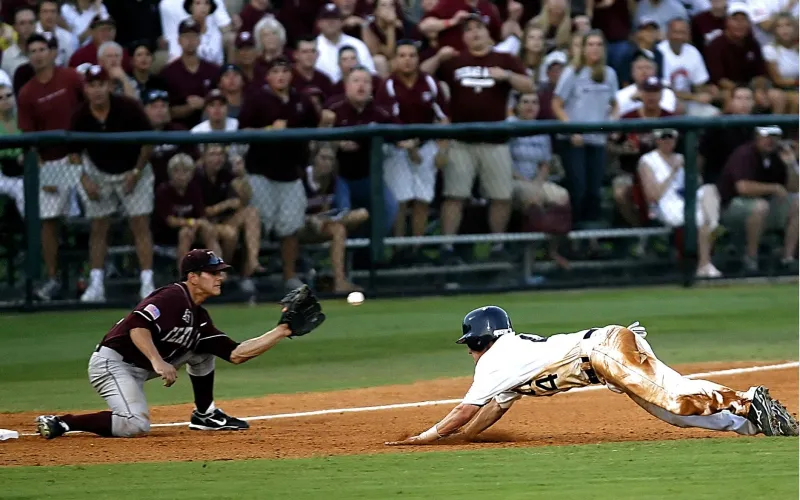
Posting Back: How Athletes Are Hijacking Their Own Headlines and Winning

There was a time when getting traded, benched, or publicly doubted meant you sat across from a reporter with a notepad and carefully chose your words. Maybe you issued a statement through your agent. Maybe you said nothing at all and let the silence speak. That era is effectively over. Today's athletes have a direct line to millions of people, and they're using it — aggressively, strategically, and sometimes brilliantly — to flip the script on narratives that used to be written entirely without them.
Call it the revenge tour. Call it personal brand management. Whatever label you put on it, the phenomenon of athletes using social media to reclaim their own stories has become one of the most fascinating ongoing dramas in American sports culture.
The Old Playbook Is Collecting Dust
For decades, the sports media machine operated on a pretty simple hierarchy. Teams made decisions, reporters covered those decisions, and fans formed opinions based on whatever filtered through. Athletes were largely passive participants in their own public perception — especially during the messy moments. A contract holdout? The front office framed it. A trade demand? Beat writers ran with whatever sources they had. A public feud with a coach? You'd hear about it second or third hand.
What's wild is how completely that dynamic has collapsed. Instagram, X (formerly Twitter), TikTok, and YouTube have handed athletes a megaphone that no PR firm or front office can mute. And the athletes who've figured out how to use that megaphone? They're not just surviving controversial moments — they're turning them into defining chapters.
Going Live Before the Leaks Drop
One of the most powerful moves in the modern athlete playbook is the preemptive strike. Instead of waiting for a reporter to break a story about a trade demand or a locker room conflict, some players are going live on Instagram or dropping a carefully crafted video the moment they sense the narrative is about to get away from them.
This isn't accidental. It's calculated. Athletes increasingly work with social media consultants, former journalists, and digital strategists who understand the 24-hour news cycle well enough to outrun it. The goal is simple: be the first voice your fans hear, and frame everything that comes after.
When a player posts a cryptic caption on trade deadline day, or drops an unfiltered YouTube video addressing rumors head-on, they're not just venting. They're publishing. And in a media landscape where a well-timed post can generate more engagement than a full ESPN segment, that distinction matters enormously.
The Fan Base as a Built-In Audience
Here's the part that really changes the game: athletes aren't broadcasting into a void. They're speaking directly to communities of people who already care deeply about them. A player with three million Instagram followers doesn't need a television platform to reach a significant audience. They are the platform.
This shifts the power balance in ways that front offices and traditional media are still catching up to. When a star player uses their social channels to push back on a team's public characterization of a contract dispute, fans aren't just passive observers — they become participants. They share the post. They argue in the comments. They create content reacting to the content. The athlete's version of events spreads organically through networks that no press release can replicate.
For fans streaming games and following along in real time on STV365, this dual-screen experience has become completely normal. You're watching the game on one screen and tracking the athlete's social feed on another, waiting to see if they say something after a big play or a controversial call. The line between sports entertainment and social media drama has essentially dissolved.
When the Comeback Story Writes Itself
Some of the most compelling content in sports right now isn't happening on the court or the field — it's happening in the comment sections and the caption boxes. An athlete who gets publicly doubted, trades away from a team that didn't believe in them, or gets cut and signs elsewhere has an incredibly powerful story arc to work with. And the smart ones know it.
The "disrespect" narrative is basically its own genre at this point. Screenshot the slight. Post it to the story. Let it marinate. Then, when you ball out, let the receipts do the talking. It's a formula that resonates because it's deeply human — everyone understands the satisfaction of proving someone wrong — but it's also incredibly effective at building sustained fan investment.
What makes these moments so watchable is that they unfold in real time. Fans aren't reading about a comeback after the fact. They're experiencing it alongside the athlete, post by post, game by game. That's a fundamentally different relationship than anything traditional sports media could offer.
The Double-Edged Feed
Of course, this level of access and control cuts both ways. Athletes who go too hard on social media during contract disputes can come across as tone-deaf — particularly when the numbers being negotiated are ones most fans will never see in a lifetime. Posting vacation photos mid-holdout is a PR move that tends to backfire spectacularly.
There's also the question of what happens when the comeback doesn't come. The revenge tour narrative only works if there's a triumphant chapter at the end. For every athlete who posts the motivational training montage and then goes on to dominate, there's another who hyped the return and quietly underdelivered. Social media has a long memory, and fans aren't always forgiving.
And then there's the burnout factor. Maintaining an active, strategic social presence while also performing at an elite athletic level is genuinely exhausting. The athletes who do it well often have teams behind them managing the output. Those who go it alone sometimes say the wrong thing at the wrong moment — and watch it become the only thing anyone talks about for a week.
What This Means for How We Watch
The revenge tour phenomenon isn't a side story to sports — it's increasingly central to why people tune in. Storylines that play out on social media before a game even tips off are a huge part of what makes modern sports must-watch entertainment. The drama is baked in before the opening whistle.
For platforms and fans who want year-round engagement with live sports, this is actually great news. Athletes posting, responding, and building their narratives during the offseason keeps the conversation alive even when there are no games on the schedule. It's content that never really stops.
The athletes who've figured this out aren't just playing a sport anymore. They're running a media operation. And honestly? The results are worth watching.